
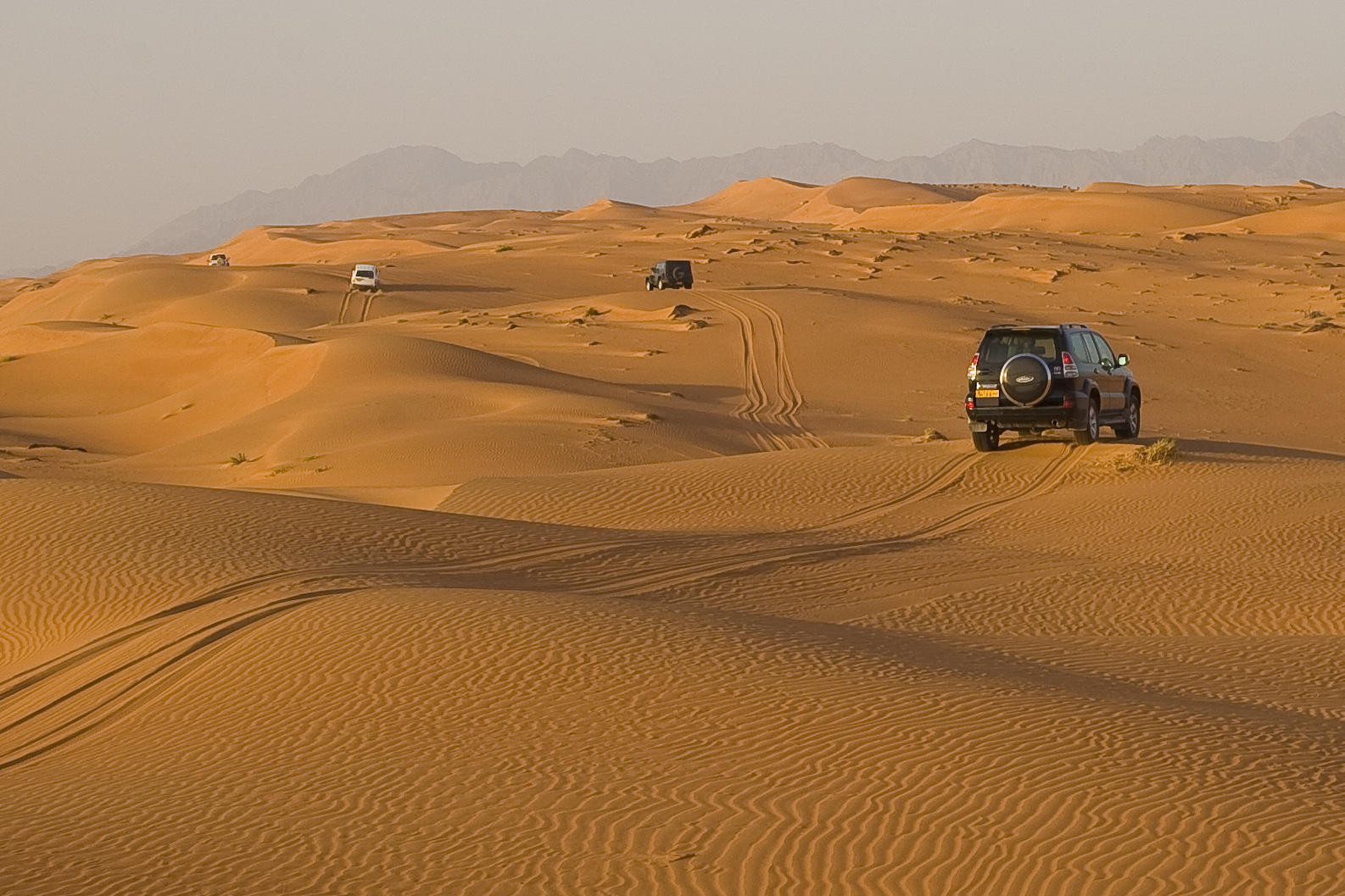
As the global push for sustainable exploration intensifies in 2026, the majestic dunes of the Mauritanian Sahara have become a high-tech proving ground. Traditional gas-guzzling 4x4s are no longer the only kings of the desert. The emergence of ultra-lightweight, solar-powered off-roaders has introduced a new discipline: Mauritania Solar Sand Driving. Navigating the "empty quarter" of the Adrar region requires a blend of traditional desert wisdom and modern energy management, as drivers balance the weight of battery storage with the relentless energy provided by the Saharan sun.
The Engineering Of Solar Desert Vehicles
In 2026, vehicles like the "Stella Terra"—the world's first road-legal solar-powered SUV—have proven that it is possible to cross 1,000 kilometers of rugged terrain without a single charging station. The success of Mauritania Solar Sand Driving hinges on a radical reduction in vehicle mass. Unlike heavy traditional SUVs that weigh over 2,500kg, modern solar off-roaders are often constructed from carbon fiber and high-strength composites, weighing as little as 1,200kg.
This lightness is a critical advantage in deep sand. A lighter vehicle exerts less ground pressure, allowing it to "float" over soft ergs rather than sinking. For anyone attempting Mauritania Solar Sand Driving, the ability to maintain momentum while charging on the go is the ultimate liberation from the logistical chains of fuel supply lines.
Managing Energy And Heat
Operating a solar vehicle in the Sahara isn't just about steering; it’s about thermal and energy logistics. In the extreme heat of Mauritania, solar panels are at their most productive but also most vulnerable to overheating.
-
Dynamic Charging: To maximize Mauritania Solar Sand Driving efficiency, modern vehicles feature extendable solar wings that can be deployed during breaks, doubling as an awning for shade while boosting the charge rate.
-
Tire Pressure Calibration: Lowering tire pressure by 20–30% is essential for sand flotation, but drivers must be mindful that lower pressure increases rolling resistance, which can drain battery reserves faster than on hard-packed tracks.
Technical Challenges Of Deep Sand Navigation
Deep sand is a living entity, shaped by the wind into treacherous slip-faces and soft pockets. Mastering Mauritania Solar Sand Driving requires a specific "reading" of the dunes. Drivers must look for the darker, firmer sand on the windward side of a dune while avoiding the pale, powdery "fech-fech" sand that can swallow even a 4x4.
For logistics managers and overlanding enthusiasts tracking the latest updates on green transport and African infrastructure, the expert analysis at AfriCarNews provides an essential window into how renewable tech is reshaping the continent's most remote routes.
The Role Of Instant Torque
One significant benefit of electric motors in Mauritania Solar Sand Driving is instant torque. When a driver hits a patch of deep, soft sand, the electric motor provides immediate power without the delay of a shifting gearbox. This allows for smoother ascents up steep dunes. However, the lack of engine sound means drivers must rely more on haptic feedback through the steering wheel and visual cues from the sand's behavior to prevent wheel spin.
Safety And Recovery In The Sahara
Even with the best tech, the desert is unforgiving. A core tenet of Mauritania Solar Sand Driving is self-sufficiency. Because solar vehicles don't have the heavy winch systems of traditional 4x4s (due to weight constraints), recovery often relies on kinetic ropes and sand ladders. Modern sand ladders are now made from recycled, lightweight polymers that can be easily stowed on the roof-mounted solar rack without shading the cells.
As Mauritania continues to position itself as a hub for green hydrogen and renewable energy in 2026, the sight of silent, sun-powered explorers gliding over the dunes is becoming a symbol of the nation's sustainable future.
Would you trust a solar-powered vehicle for a 500km journey into the heart of the Sahara, or is the security of a diesel engine still too valuable to give up? Share your thoughts on the future of green overlanding in the comments below!