
The automotive sector in Mauritania remains one of the smallest vehicle markets globally, but gradual growth in ownership is beginning to shape the country’s mobility landscape. Data shows that Passenger Cars in Mauritania reached approximately 0.022 million vehicles (22,000 cars) in 2019, marking the highest level recorded at that time.
While official global databases have limited recent updates, industry estimates and vehicle import activity suggest that the number of cars has continued to increase slowly between 2020 and 2026 as urbanization and transport demand expand.
Historical Growth of Passenger Cars in Mauritania
The number of Passenger Cars in Mauritania has grown steadily over the past two decades. In 2005, the country had around 0.012 million passenger cars (12,000 vehicles). By 2019, this figure rose to about 22,000 vehicles, representing an increase of roughly 83% over fourteen years.
Although growth has been gradual, it reflects increasing demand for personal vehicles in cities such as Nouakchott and Nouadhibou, where population growth and economic activity are expanding.
Estimated Passenger Car Fleet Growth
Based on historical trends and vehicle imports, analysts estimate the following progression:
-
2019: ~22,000 passenger cars
-
2022: ~24,000 passenger cars (estimated growth from imports)
-
2024: ~26,000 passenger cars as urban vehicle demand rises
-
2026: ~28,000–30,000 passenger cars projected nationwide
This indicates that Passenger Cars in Mauritania are slowly increasing as mobility needs evolve.
Why Car Ownership Remains Relatively Low
Despite steady growth, Passenger Cars in Mauritania remain limited compared with most countries.
Economic Barriers
Vehicle affordability remains a major factor limiting ownership. Many households rely on taxis, minibuses, and shared transport services instead of purchasing private cars. Import duties, shipping costs, and vehicle registration fees can significantly increase the cost of owning a car.
Heavy Dependence on Used Vehicle Imports
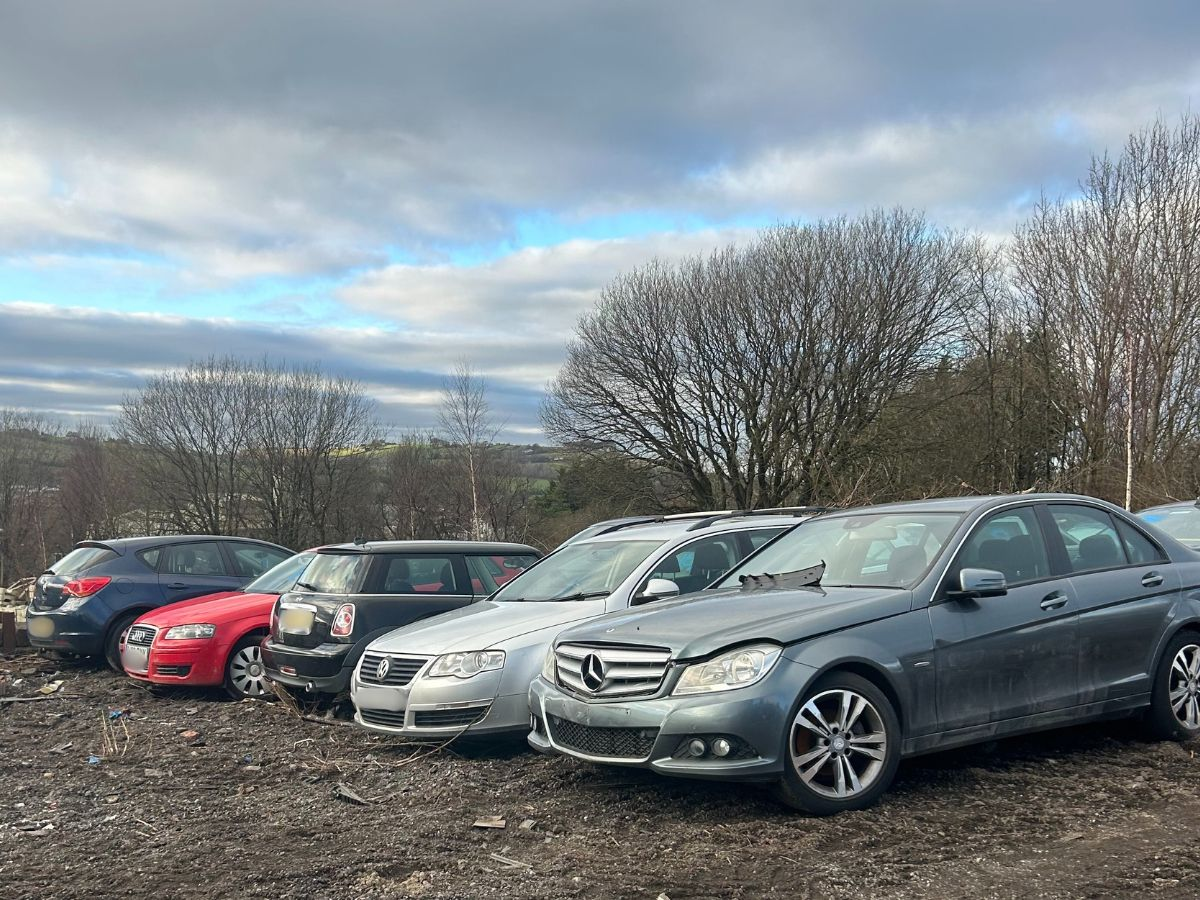
The market for Passenger Cars in Mauritania is largely dependent on imported used vehicles, primarily from Europe and neighboring countries. These vehicles are typically more affordable than new cars but still represent a significant investment for many consumers.
Older models from brands such as Toyota, Mercedes-Benz, and Nissan are widely used due to their durability and ability to handle challenging road conditions.
Infrastructure and Geographic Factors
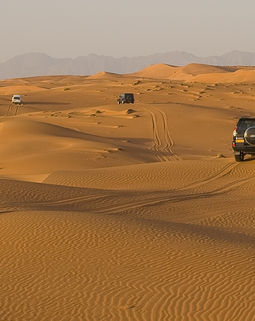
Mauritania’s vast desert landscape and relatively small population also influence vehicle ownership patterns. Many remote regions have limited road infrastructure, reducing the demand for passenger cars and increasing reliance on off-road vehicles and commercial transport.
Emerging Automotive Trends
Several trends could influence the future of Passenger Cars in Mauritania through 2026 and beyond.
Gradual Urbanization
Cities like Nouakchott are expanding rapidly, increasing demand for personal vehicles and urban mobility solutions.
Growth in Vehicle Imports
The import of used vehicles continues to drive expansion in the passenger car fleet, making cars more accessible to middle-income households.
Technology and Road Safety
New traffic monitoring technologies, including digital traffic management systems and smart enforcement tools, are being introduced to improve road safety and vehicle regulation.
Readers interested in automotive trends across the continent can explore more insights and mobility updates through AfricaCarNews, which covers the latest developments in vehicles, road safety, and automotive markets across Africa.
Outlook for Passenger Cars in Mauritania
Although the country’s automotive sector remains relatively small, Passenger Cars in Mauritania are expected to grow steadily as economic conditions improve and urban mobility needs increase.
With gradual infrastructure development, rising demand for personal transport, and continued vehicle imports, Mauritania’s passenger car market could expand further over the next decade.
💬 Do you think Mauritania’s car market will grow rapidly in the next few years, or will shared transport remain dominant? Share your thoughts in the comments and join the conversation!