



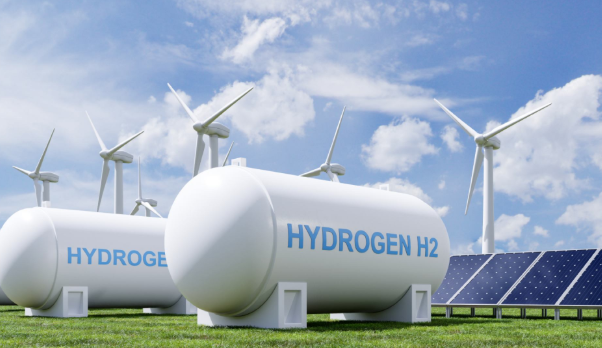
The vast, sun-drenched expanses of the Sahara Desert are no longer seen merely as a geographic barrier, but as the engine room for the next industrial revolution. Mauritania, traditionally known as a leading exporter of raw iron ore, is currently pivoting toward a high-value manufacturing future. By 2026, the nation has accelerated its efforts to move beyond simple extraction, aiming to become a global leader in low-carbon metallurgy. At the heart of this transformation is the Mauritania Green Steel Synergy, a strategic integration of the country's massive iron reserves with its world-class wind and solar potential to produce the sustainable materials required for the electric vehicle (EV) era.
The Power Of Hydrogen-Reduced Iron
The traditional steelmaking process is one of the world's most carbon-intensive industries, relying heavily on coking coal. However, Mauritania is bypassing this old model through Direct Reduced Iron (DRI) technology. In this system, green hydrogen—produced via electrolysis powered by the Sahara's constant wind and sun—replaces coal as the reducing agent.
The Mauritania Green Steel Synergy is built on the AMAN project, a massive 30 GW green hydrogen initiative. By using this clean hydrogen to process the high-grade iron ore mined by the Société Nationale Industrielle et Minière (SNIM), Mauritania can produce "green iron" pellets. These pellets are then converted into high-strength steel that is virtually free of carbon emissions, offering a perfect solution for the automotive industry's "green chassis" requirements.
Why Chassis Manufacturers Are Looking To The Sahara
Vehicle chassis and structural frames account for a significant portion of a car's embedded carbon footprint. As global automakers strive for "net-zero" supply chains, the demand for primary steel that doesn't rely on fossil fuels has skyrocketed. The Mauritania Green Steel Synergy provides three critical advantages for the transport sector:
-
Extreme Weight-to-Strength Ratio: Green steel produced via DRI-EAF (Electric Arc Furnace) routes can be engineered into advanced high-strength steels (AHSS), allowing for thinner, lighter chassis that extend EV battery range.
-
Decarbonized Supply Chains: Utilizing steel from the Sahara allows European and African automakers to slash their Scope 3 emissions.
-
Geographic Proximity: Located on the Atlantic coast, Mauritania’s Nouadhibou port is perfectly positioned to ship green steel components directly to automotive hubs in Europe and North Africa.
Leading The 2026 Energy Transition
As of early 2026, the government has solidified its "Hydrogen Code," making it the first country in the world to pass such a comprehensive legal framework. This has paved the way for the Mauritania Green Steel Synergy to attract billions in foreign investment. National mining giant SNIM achieved record production in 2025 and is now focusing on diversifying into value-added pellets specifically for green steel production.
For engineers, policymakers, and automotive enthusiasts interested in the intersection of African minerals, renewable energy, and the future of clean transport, exploring the daily reporting at AfriCarNews is essential for staying informed.
Infrastructure And The Blue-Green Economy
The Mauritania Green Steel Synergy also drives secondary benefits for the region. The massive desalination plants required for hydrogen production are designed to provide fresh water for local agriculture and human consumption. This "Power-to-X" model ensures that the industrialization of the Sahara supports local communities while building the frames for the world’s cleanest cars.
By leveraging the Mauritania Green Steel Synergy, this desert nation is proving that the transition to sustainable transport starts at the very beginning of the supply chain—deep in the iron-rich sands of the Sahara.
Do you think green steel from Africa will become the standard for European EV manufacturers by 2030, or will the high initial costs keep traditional coal-fired steel in the lead? Let us know your thoughts on the Sahara’s industrial future in the comments below!


